
Synopsis
The concept of hé 和, commonly translated into English as “harmony,” pervades Chinese culture. In an earlier study, I explored two conceptions of hé-harmony in early Chinese philosophy, seeking to delineate their differences. On the one hand, hé-harmony may be understood from the perspective of music. On the other hand, the meaning of hé-harmony may be drawn from the art of cooking. They are often conflated or treated as one single view, but they may also yield two different conceptions of the ideal of harmony. In this discussion, I return to the question of harmony as a contested concept in early China and reflect on hé-harmony as a guiding vision and an active agent in the management and ethical transformation of the complexities that define social existence.
Speaker
Alan Chan
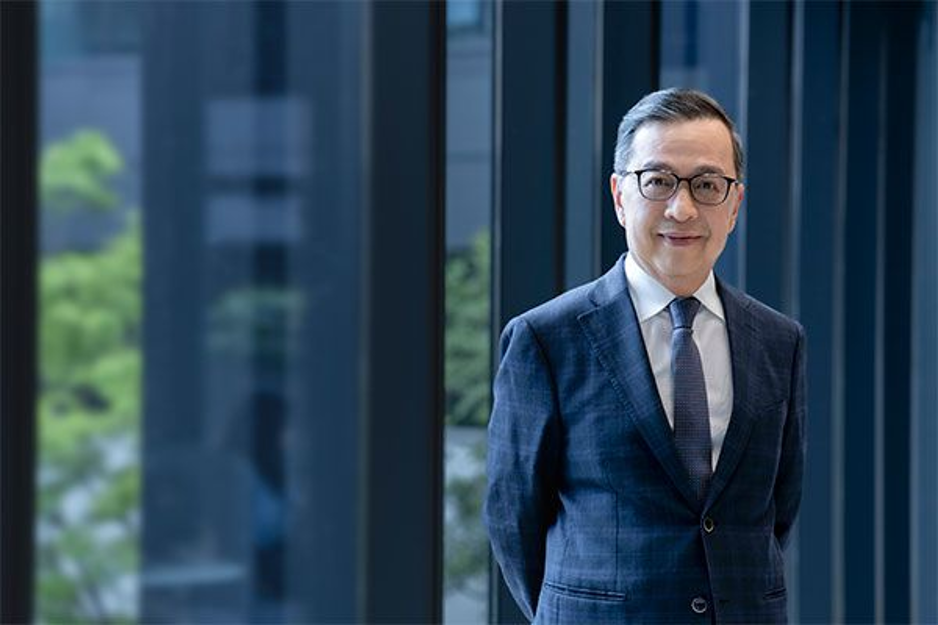
| Professor Alan K.L. Chan is Kwan Im Thong Hood Cho Temple Chair Professor of Inter-Religious Studies and Harmony, and Provost at Singapore Management University (SMU). Prior to joining SMU, Professor Chan was Provost and J.S. Lee Professor of Chinese Culture at the Chinese University of Hong Kong (CUHK). From 2009 to 2020, he served as Toh Puan Mahani Idris Daim Chair Professor of Humanities, Dean of the College of Humanities, Arts and Social Sciences, and from 2018, Vice-President at the Nanyang Technological University (NTU) of Singapore. Professor Chan obtained his PhD degree in Religious Studies from the University of Toronto and began his academic career at the University of Manitoba, Canada. He then joined the Department of Philosophy, National University of Singapore (NUS), where he held several leadership roles, including the Vice-Dean of the Faculty of Arts and Social Sciences, and Associate Provost (Undergraduate Education). While at NUS, Professor Chan twice received the Teaching Excellence Award |
View all Faculty Awards here
Discover all Faculty Awards and celebrate academic excellence across our faculty.