
Synopsis
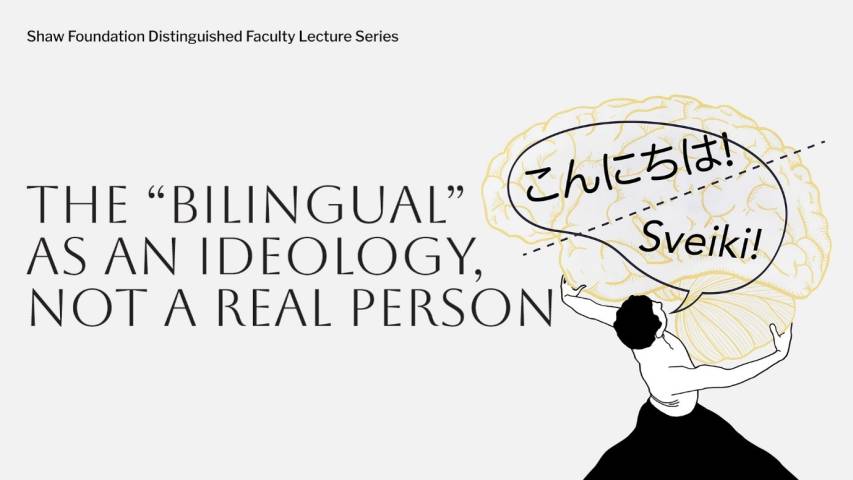
This lecture examines bilingualism not as a neutral description of a person, but as an idea shaped by power, inequality, and history. While the term is often used to describe someone who speaks two languages, its meaning varies across contexts. Based on collaborative research in Peru and the Philippines with Virginia Zavala, the lecture demonstrates that the label “bilingual” is closely tied to colonial histories, social class, education, and poverty, and is often used to rank individuals rather than simply describe language ability. Focusing on the Philippines, the lecture traces how the notion of bilingual has at times challenged colonial power, yet has also reinforced inequality by marginalising everyday multilingual practices. In work conducted with Ofelia García, it shows that framing people as bilingual or multilingual obscures how they actually communicate and how inequality is reproduced in daily life. Overall, the lecture illustrates that bilingual functions as an ideological label that structures social hierarchy rather than serving as a neutral descriptor of real speakers.
Speaker
Ruanni Tupas
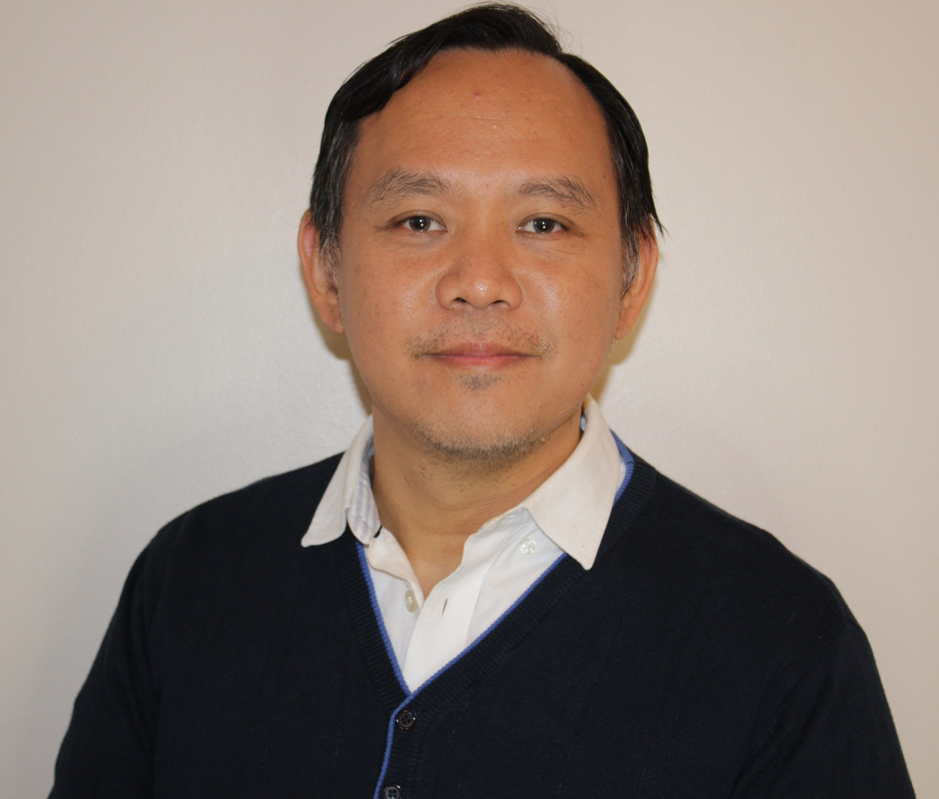
| Ruanni Tupas is Associate Professor of Sociolinguistics in Education and Programme Leader of the MA TESOL In-Service at the Institute of Education, University College London. He is known for his work on Unequal Englishes and on inequalities of multilingualism in education and public life. He lived and worked in Singapore for over 20 years, including at the National University of Singapore and the National Institute of Education. He shares his insights on language and society through public and social media, including an interview with Michael Rosen on BBC Radio, available at https://www.bbc.co.uk/programmes/m001vsdp |
View all Faculty Awards here
Discover all Faculty Awards and celebrate academic excellence across our faculty.