
We live in a world where there has been a profound transformation in how traditional Majors connect to careers. For example, leading firms such as KPMG now delivers technology-enabled legal services in various countries through licensed lawyers, under ownership models which allow non-lawyers to run the business and where the share of computer science graduates securing roles in tech giant firms has dropped by more than half since 2022[1].
CIS’s Individualised Major (IM) is an answer to these realities. Designed for the complexities of the 21st-century economy, the IM empowers students to direct their education to industry needs and to develop industry-targeted competencies through internships, credit-bearing work studies and sector-targeted personal Capstone projects guided by industry mentors. With an IM, students can build distinctive, future-ready profiles aligned with emerging industries and evolving careers.
This is the future of higher education.
[1]
https://www.law.georgetown.edu/legal-ethics-journal/blog/kpmgs-subsidiary-law-firm-approved-by-arizona-supreme-court-to-provide-legal-services/
https://www.signalfire.com/blog/signalfire-state-of-talent-report-2025
Students doing the IM benefit from doing what they love. They also have the unique ability to curate their learning journey and cultivate an academic transcript that speaks precisely to the industry and careers of their choice.
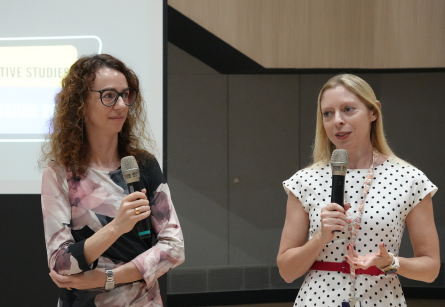
Prof Maartje De Visser (L) and Prof Fiona Williamson (R)
Bachelor of Integrative Studies (Individualised Majors) Programme Co-Chairs
Curriculum (36 CUs)

Integrative Studies Core &
Electives (16 CUs)
- Integrative Studies Core (4 CUs)
- Coursework Electives (10 to 11 CUs)
- Coursework Electives (8 to 9 CUs)
Free Electives (8 CUs)
Students may take courses from any of
SMU’s schools to fulfil the Free
Electives requirement
Professional Track
Focuses on industry and societal problems, and students on this track are assigned an industry mentor.
Integrative Studies Core (4 CUs)
- INTS101 Methods Across Majors: An Interdisciplinary Introduction to Research
- INTS201 Exploring Interdisciplinary Horizons: An Introduction to Integrative Studies
- Two courses from the “Challenges” basket:
- COR-INTS2240 Climate Change: Past, Present, and Future
- COR-MGMT2207 Innovations in Asia’s Smart Cities
- INTS302 Modern Challenges
- INTS304 The Human Condition: Who are we? What are we?
- COR-INTS2255 Thinking with Data
Coursework Electives (10 to 11 CUs)
CIS students may select courses relevant to their self-defined major, including courses from exchange programmes.Capstone Project (1 to 2 CUs)
Inquiry into an industry or societal problem.Research Track
Involves deep academic inquiry into the subject-matter and is particularly suitable for students with an interest in a policy, research or academic-oriented career.
Integrative Studies Core (4 CUs)
- INTS101 Methods Across Majors: An Interdisciplinary Introduction to Research
- INTS201 Exploring Interdisciplinary Horizons: An Introduction to Integrative Studies
- Two courses from the “Challenges” basket:
- COR-INTS2240 Climate Change: Past, Present, and Future
- COR-MGMT2207 Innovations in Asia’s Smart Cities
- INTS302 Modern Challenges
- INTS304 The Human Condition: Who are we? What are we?
- COR-INTS2255 Thinking with Data
Coursework Electives (10 CUs)
CIS students may select courses relevant to their self-defined major, including courses from exchange programmes.
Senior Thesis (2 CUs)
Academic inquiry into a topic of interest.
"Industry Experiential Learning All students on the BIS(IM) will complete industry experiential learning through SMU-X courses and/or Work-Study Electives.”
Students’ Individualised Majors
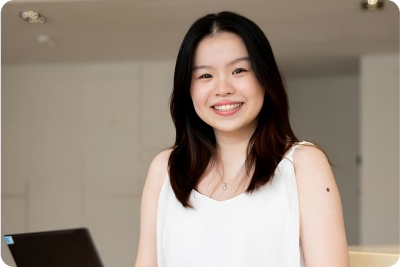
I designed Impact Management like a compass for organisations. Impact isn’t just “doing good”; it’s the discernment to what truly moves the needle. Like steering a ship, leaders must balance short-term waves with long-term direction, using tools from finance to sociology.
Jamie Yau
(Impact Management)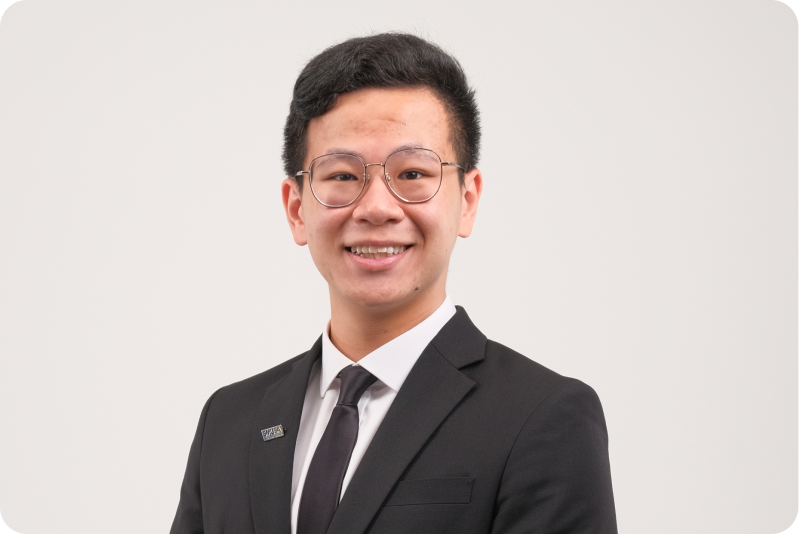
I developed a keen interest in urban studies during my D3 year and wanted to explore it more intentionally. It became a useful interdisciplinary grounding for my major, where I could weave in public policy and economics to examine how cities are governed and how place is collectively created.
Leon Lee
(Urban Development Governance)
Human-Centred Futures Design is my gateway to showing that Design is a powerful strategic tool. By bridging technology and social psychology into businesses, my investigation helps people imagine alternative futures and turn long-term possibilities into responsible action today.
Lim Cai Qian
(Human-Centred Futures Design)
Highlights
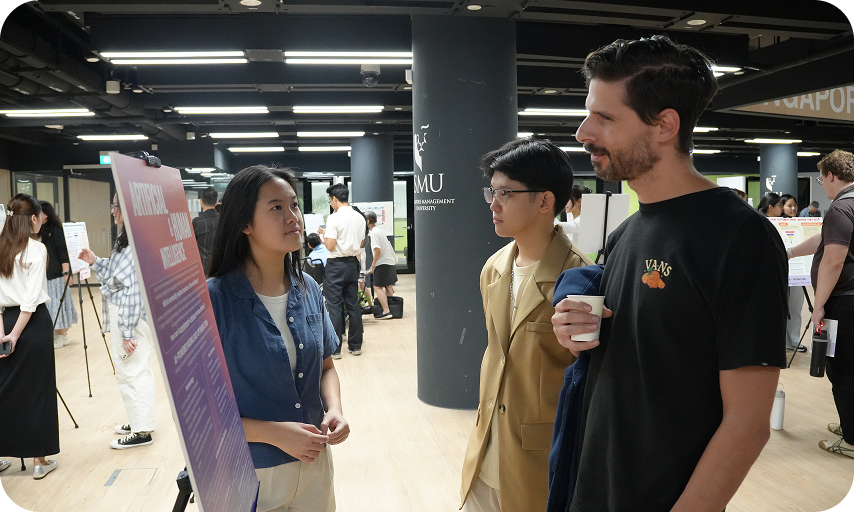
BIS Symposium
The BIS Symposium is held in the second year of a student's BIS journey, and offers students a platform to present their ideas for their respective Individualised Major and Capstone Project/Senior Thesis proposal to a wide audience comprising fellow students, faculty experts, and prospective employers. The BIS Symposium gives students the opportunity to receive critical feedback and refine their majors.
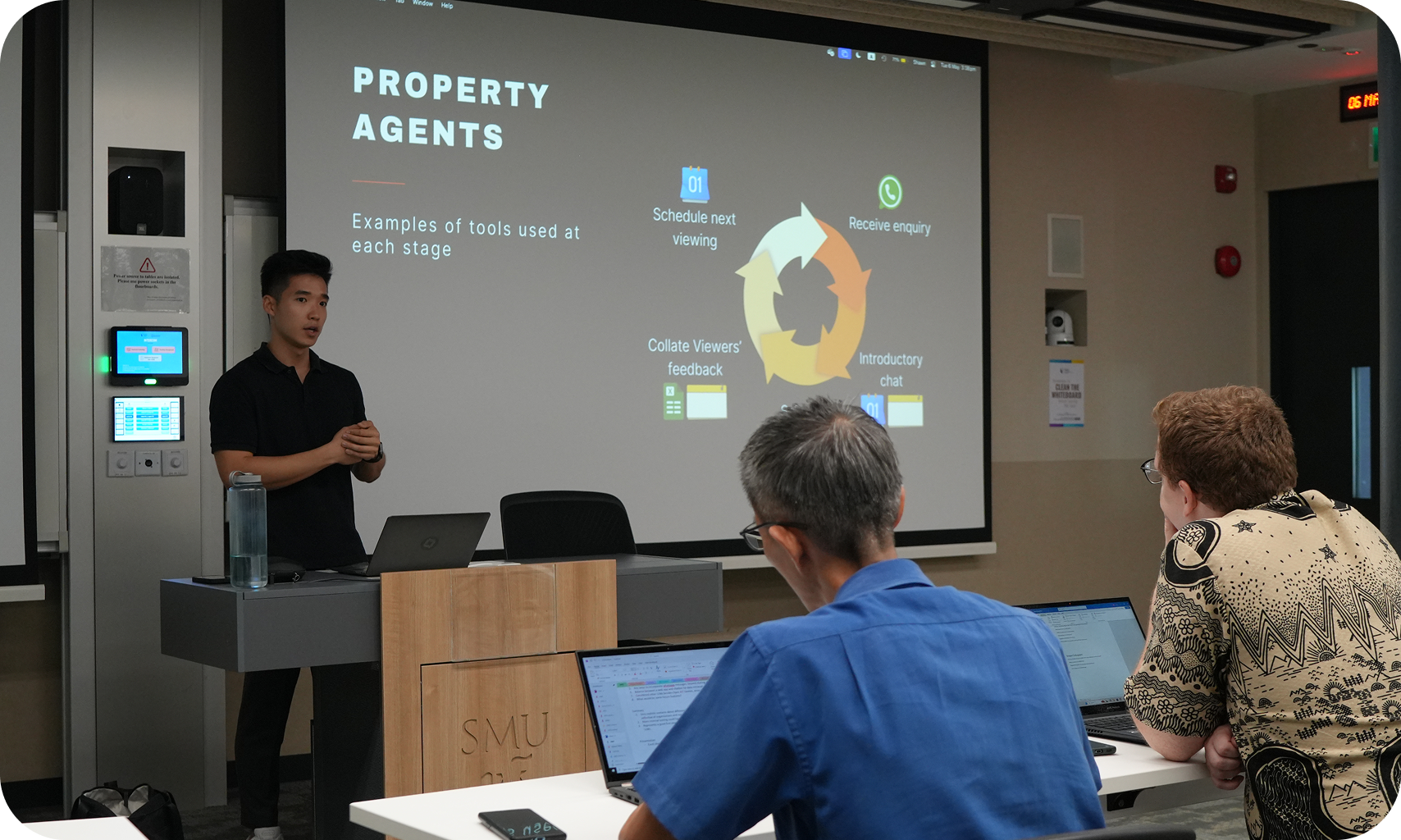
BIS Colloquium
The BIS Colloquium is held at the end of a student’s BIS journey as a formal showcase of their culminating Capstone Project or Senior Thesis. During the Colloquium, students present and discuss their work, demonstrating their integrative skills and academic achievements.
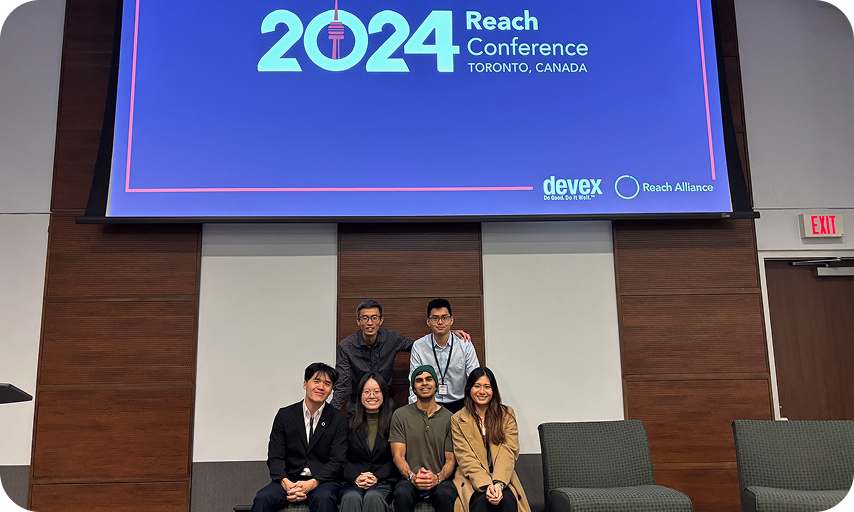
CIS-Exclusive Exchange Programmes
CIS students may participate in student exchange programmes not only through SMU’s network of more than 200 global university partners, but also through CIS-exclusive partnerships. For further information, email us at cis@smu.edu.sg.
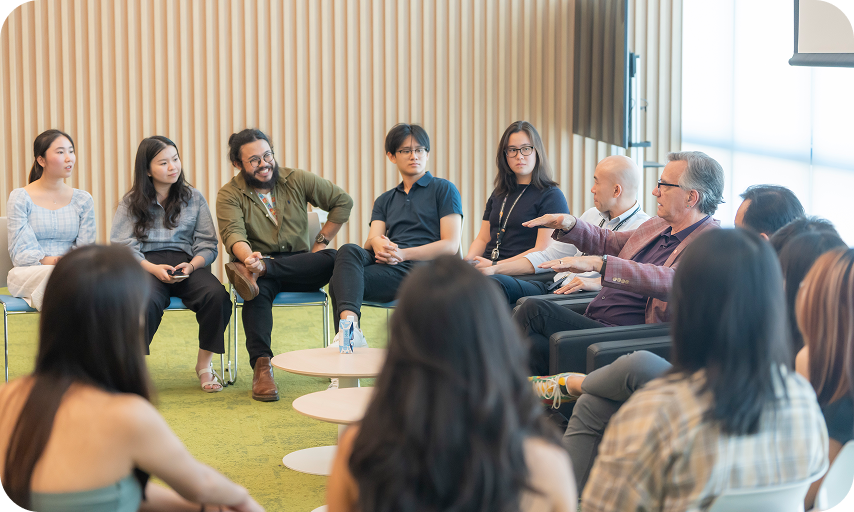
CIS-Exclusive Industry Engagement Activities
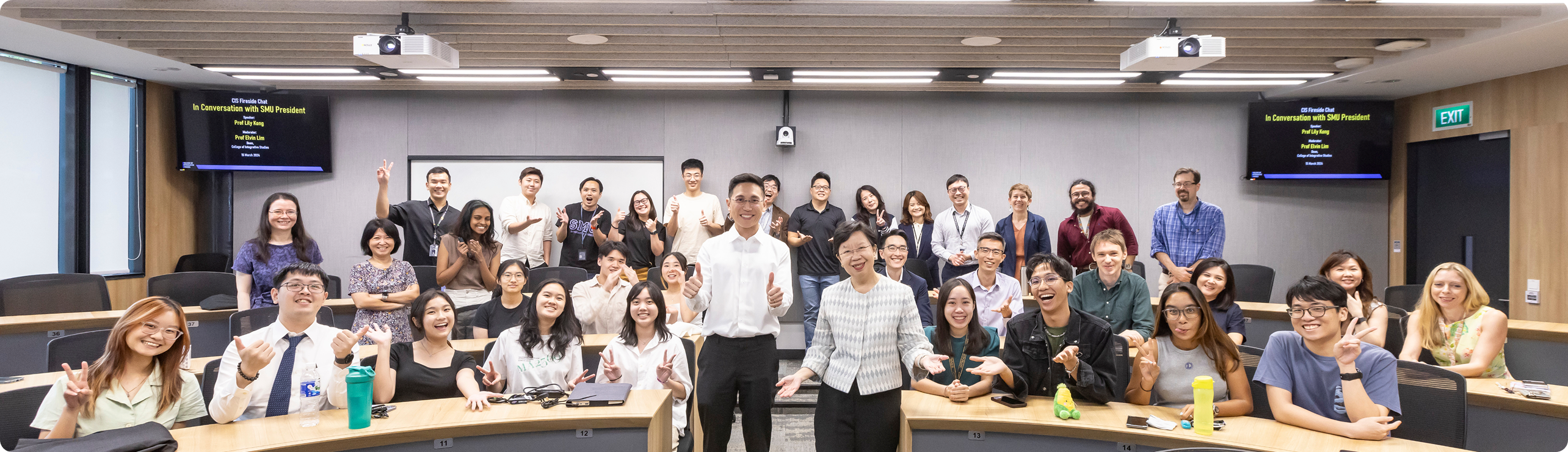
CIS students enjoy one-to-one consultations with the College’s Executives-in-Residence, and also benefit from many fireside chats with the College’s Advisory Board members and other industry leaders. CIS also organises regular engagement networking sessions for CIS students to engage with and learn from industry partners, ensuing that the students are given the best opportunities to thrive post-graduation.
Interested in applying?
Find out more about the central admissions process and requirements here .

Unparalleled Levels of 1:1 Mentorship
Every Bachelor of Integrative Studies student is assigned a faculty advisor who will advise on the design of their study plan based on the student’s identified industry or societal challenge. The faculty advisor will provide guidance throughout the student’s candidacy and supervise the student's capstone project or dissertation.
In addition, every student on the Professional track will be assigned a capstone mentor to help them integrate their coursework with real-world applications and understand the industry's context, nuances, complexities and outlook. Every student on the Research track will be assigned a dissertation supervisor to guide them in academic inquiry.
#CISMentorship
View all Faculty Awards here
Discover all Faculty Awards and celebrate academic excellence across our faculty.