
Promote understanding of the economics, technological, cultural systems that structure our interactions with our communities.
To explore communities of culture and practice
Promote understanding of the economics, technological, cultural systems that structure our interactions with our communities.
This basket introduces students to the economic way of thinking about societal issues. We use the themes of incentives and empiricism to illustrate the power of simple economic ideas, and their ability to explain, predict, and improve what happens in the world.
The course will examine how market activities are shaped by both the private and public sector. It will allow students to appreciate how free markets and government policies affect society, creating winners and losers, and to understand the societal trade-offs implicated in an economy.
Students will also examine debates on the importance of social institutions in contributing to economic growth, and on economic policies surrounding the world financial crisis.
LEARNING OUTCOMES
Disciplinary and Multidisciplinary Knowledge
Use evidence-based economics approach to explain real-life issues and phenomena as it plays out in our society.
Critical Thinking And Problem Solving
Develop critical thinking skills to analyze local and global societal issues using key economic principles.
SAMPLE COURSES
The Technology, Science and Society Basket explores the complex relationships between scientific advancement, technological change, and societal impact. Students gain foundational knowledge across disciplines and learn to analyse and compare how these fields intersect in real-world issues. Emphasising interdisciplinary thinking, the courses encourage students to critically address challenges that arise at the crossroads of science, technology, and society. Students also reflect on the broader ethical and social implications of innovation, recognising how decisions made today can shape communities and environments. This basket prepares students to think critically, act responsibly, and make informed choices in a world increasingly shaped by science and technology.
Learning Outcomes
Disciplinary and Multidisciplinary Knowledge
At the end of the courses, students should be competent in disciplinary fundamentals in technology, science and society and be able to use them as a basis for comparison and analysis in questions that arise at the intersection of STS.
Intellectual and Creative Skills
Students should be able to navigate the intersections between disciplinary frameworks to seek critical solutions in identified problems across domains and spaces.
Global Citizenship
Students will appreciate how the interrelationships within the nexus of techonology-science-society are firmly enmeshed in the world today, so as to guide personal decisions that may have ethical and social impacts across space and time.
Sample Courses
The Cultures of the Modern World Basket introduces students to the foundational vocabulary, concepts, and historical developments of a chosen cultural or linguistic field. Students learn to analyse and compare perspectives across disciplines and cultures, applying critical frameworks to make thoughtful evaluations. They will also develop effective and respectful communication skills, enabling them to engage meaningfully within specific cultural contexts and across diverse worldviews. Through engagement with global histories and ideas, students gain deeper insight into the complexities of language, identity, and meaning. This basket fosters cross-cultural understanding and encourages students to reflect on their roles and responsibilities in a diverse, interconnected world—preparing them to engage with empathy, curiosity, and ethical awareness as global citizens.
Learning Outcomes
Disciplinary and Multidisciplinary Knowledge
At the end of the courses, students will demonstrate competency in the basic vocabulary and framework – whether grammatical or conceptual – of their chosen “cultures” field. Students will also demonstrate knowledge of the key historical developments related to that field.
Intellectual and Creative Skills
Students should be able to apply that basic vocabulary and framework in order to draw comparisons across disciplinary and cultural perspectives and to make evaluative assessments based upon those comparisons.
Interpersonal Skills
Students will be able to converse fluidly in the subject, utilizing appropriate conceptual or linguistic vocabulary and, where applicable, appropriate grammar. They will acquire a deeper understanding of the challenges inherent in communication more generally, and of cross-cultural or cross-disciplinary communication in particular.
Global Citizenship
Students will demonstrate awareness of and sensitivity to the world’s cultural, linguistic, and perspectival diversity. This, in turn, will help students formulate an account of their own responsibilities as global citizens.
Sample Courses
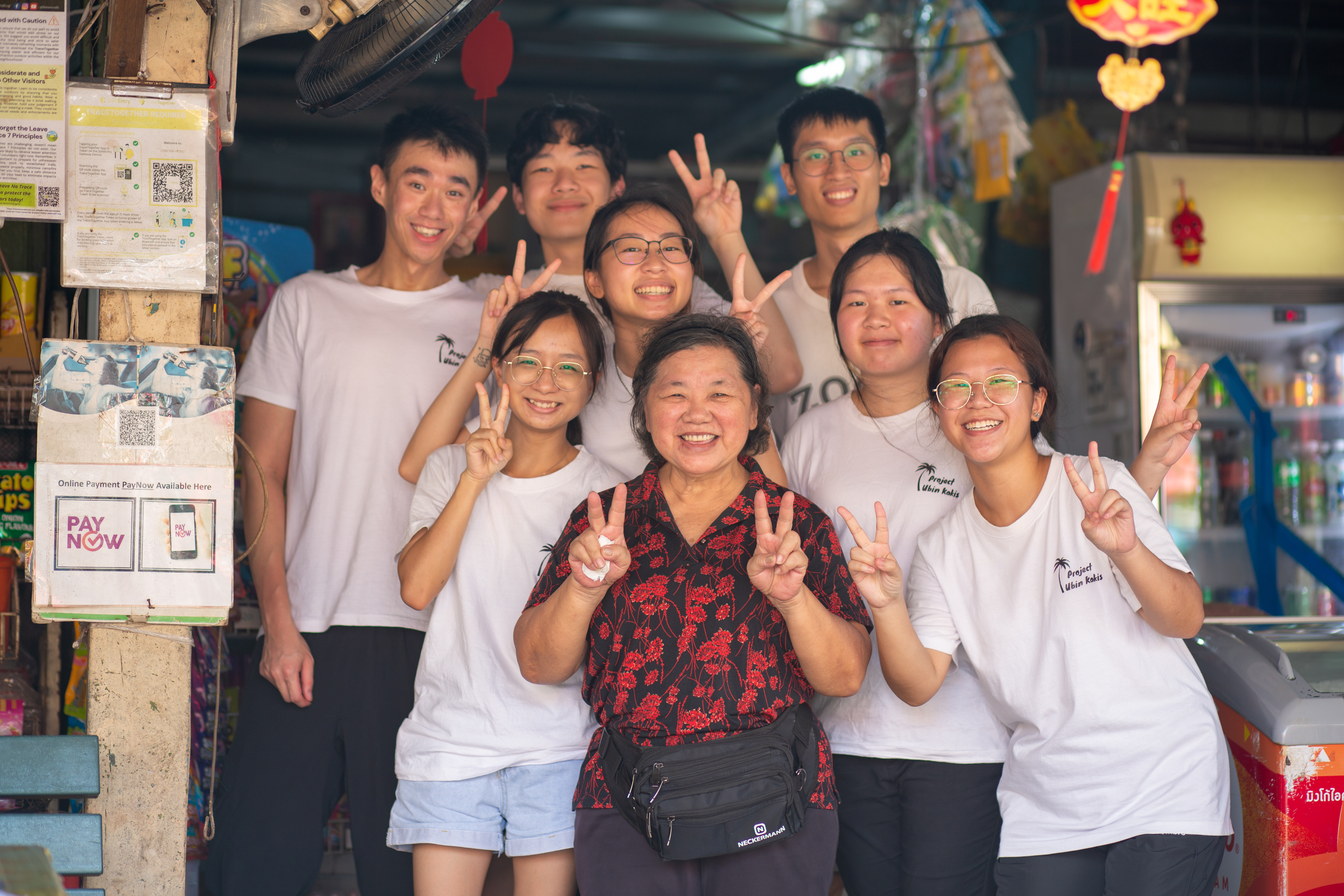
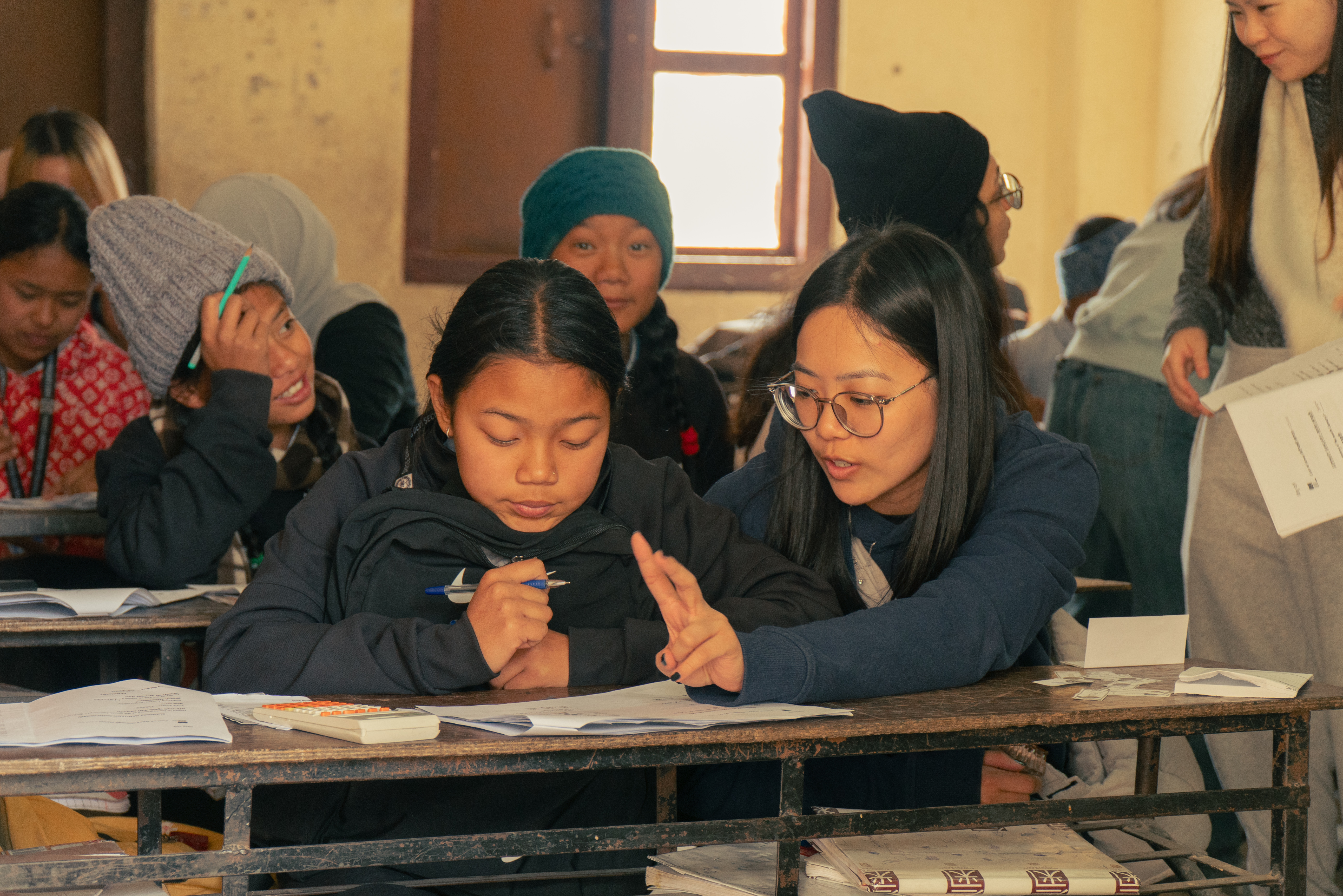
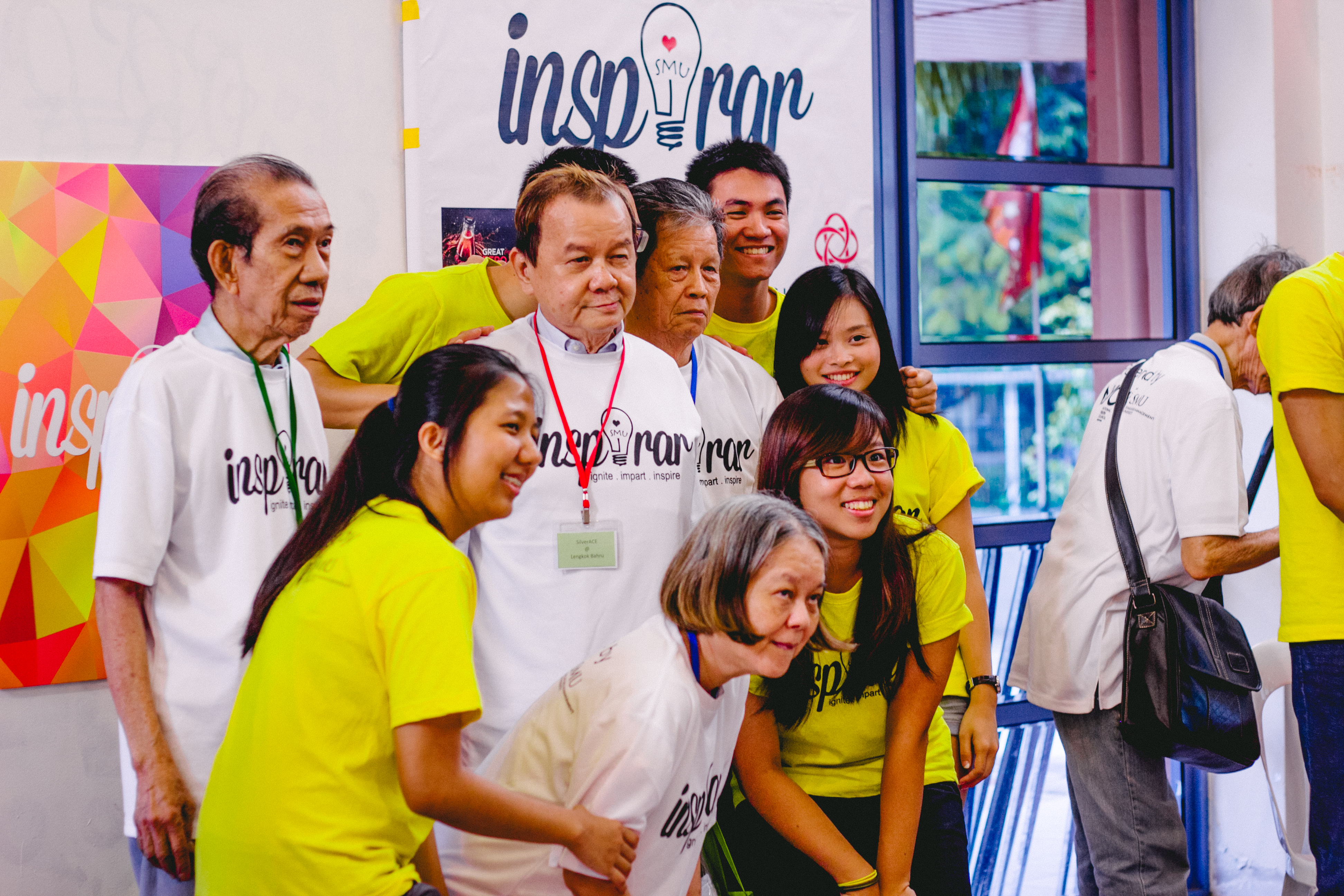
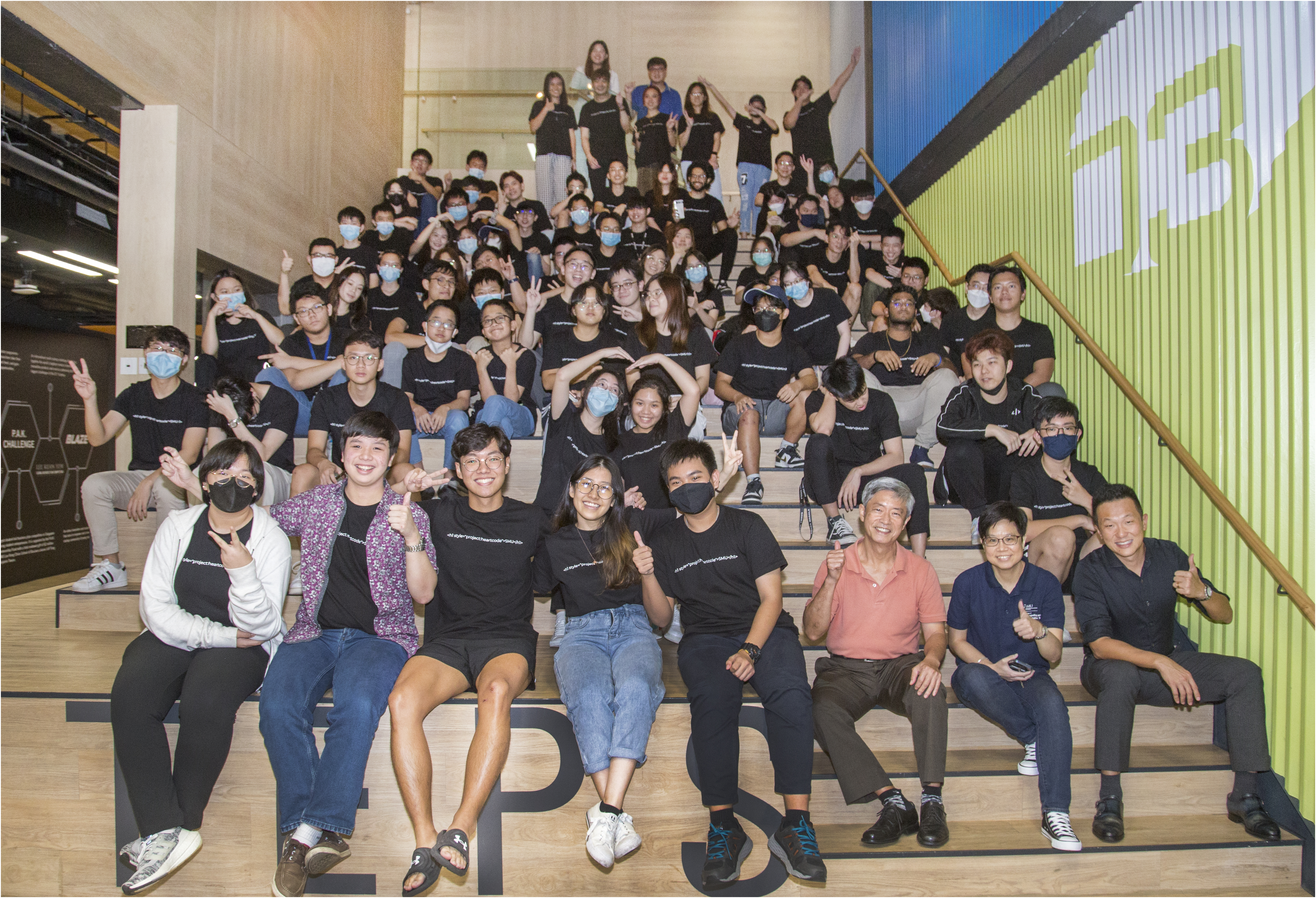
Community Service has notably been part of SMU’s DNA since our university’s inception in 2000. All students are required to complete a minimum of 80 hours of community service (CS) as part of their graduation requirement. The Community Service experience serves as a unique experiential learning opportunity for students to undergo development in personal mastery, global citizenry, collaboration and project management skills. To further integrate our co-curriculum with the academic curriculum, one CU will be awarded for community service for students matriculated from AY2019-20 onwards.
The Community Service programme will be enhanced to focus more on learning outcomes and help students to better understand and apply their learning. The enhanced credit-bearing Community Service programme will impart service learning knowledge and equip students with skills to conduct critical needs analysis and asset mapping, so as to help them provide more impactful and sustainable service to the community. The programme will also include a Reflective Practice unit to equip students with the skills for deeper and more meaningful reflection.
Community Service Units
View all Faculty Awards here
Discover all Faculty Awards and celebrate academic excellence across our faculty.