
Synopsis
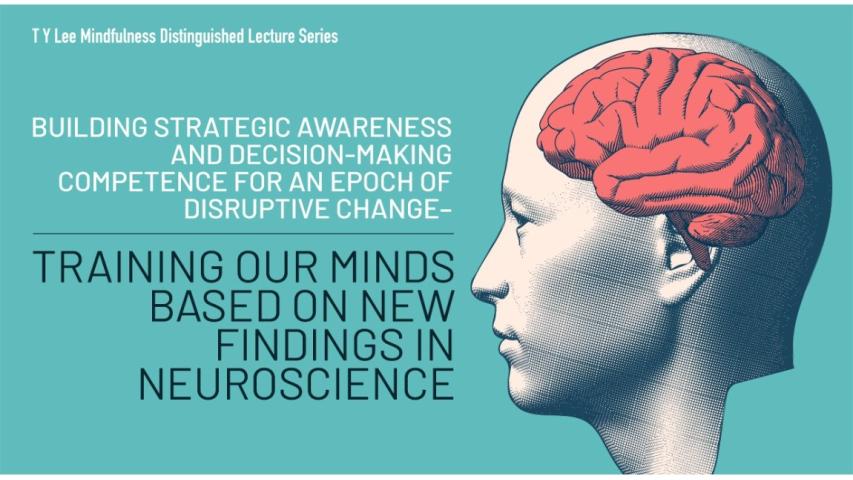
Today’s fundamental questions of wealth and poverty and the ongoing tectonic changes in the world require a radically new, integrative mindset and heightened strategic awareness. We cannot tackle the challenges we face individually and as humankind unless we drastically improve our decision-making and leadership capabilities.
Mindfulness-based Strategic Awareness Training – MBSAT is designed to strengthen and systematically cultivate these abilities. It is based on the latest findings in neuroscience and moulded into a format that allows active people to include the training practices in their daily lives.
The lecture will provide an introduction to the MBSAT training methodology and its neuroscientific foundations and let participants experience a fresh approach to practice mindfulness for improving decision-making.
Speaker
Juan Humberto Young
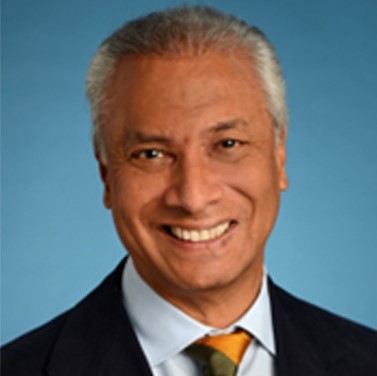 |
Juan Humberto Young is banker, entrepreneur, investor, and author of Mindfulness–Based Strategic Awareness Training (2017, Wiley: Oxford) with extensive leadership experience in various industries. He grounds his work in lifelong academic education and has vast international teaching experience in corporate development and at prestigious universities, amongst other in Switzerland where he lives. In particular, he designed and directed an Executive Master Program in Positive Leadership and Strategy based on positive and mindfulness approaches that integrates human development and management. He is the lead instructor in the Mindfulness-based Strategic Awareness Training teacher’s program of Singapore Management University – SMU and Associate Faculty Member at SMU. |
View all Faculty Awards here
Discover all Faculty Awards and celebrate academic excellence across our faculty.